Sharin Rawhiya Jacob, Postdoctoral Scholar, UC Irvine
|
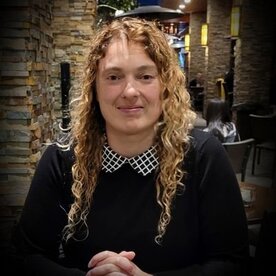
Sharin is an educational researcher investigating computer science curricula and other digital technologies such as generative AI, and their conceptual relation to language, literacy, and culture. She adopts asset-based and culturally sustaining approaches to her work, and seeks to provide equitable learning opportunities for culturally and linguistically diverse students.
Sharin has extensive experience teaching diverse students, from high school English as Second Language teaching to university instruction on subjects related to language, literacy, and technology. In addition to her teaching and research activities, has engaged Cal State University Chancellor's Doctoral Incentive Program (CDIP) Fellow. This program provides financial support, professional development, and mentorship to promising doctoral students who are interested in becoming CSU faculty. In 2021, Sharin was recognized as a UCI Public Impact Distinguished Fellow for her commitment to bringing actionable change for multilingual students in computing. Most recently, she was awarded the 2021 Haynes Lindley Doctoral Dissertation Fellowship in support of my dissertation research. This award recognizes “well-conceived and imaginative research into the pressing economic, social, policy, or political issues that impact the five counties of Southern California.” |
What's new
|
New Special Issue!
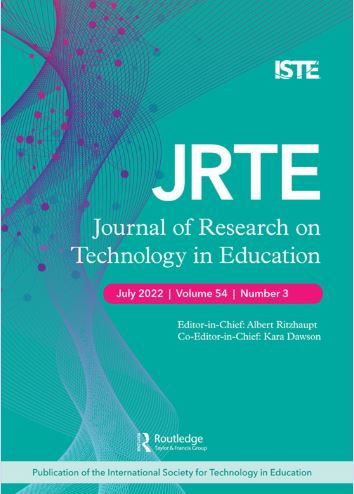
Are you doing research related to equity in CS education? We are editing a special issue of the Journal of Research on Technology in Education on Computer Science for All. Submit your abstracts here by October 31, 2023 |
New Publications!
Warschauer, M., Tseng, W., Yim, S., Webster, T., Jacob, S., & Du, Q. (in press). The Affordances and Contradictions of AI-Generated Text for Second Language Writers. Journal of Second Language Writing. http://dx.doi.org/10.2139/ssrn.4404380
Jacob, S. R., Baek, C., & Warschauer, M. (in press). Computational literacy, language, and culture. Proceedings of the IEEE Annual International Conference on Research on Equity and Sustained Participation in Engineering, Computing, and Technology (RESPECT). IEEE. PDF of Proceeding
Jacob, S. R. & Warschauer, M. (2023). Asset-based approaches to multilingual students’ computer science identity development. Journal of Computer Science Integration.
Bers, M., Parastu, D., Rosenberg-Kima, R., D., Jacob, S. R., Warschauer, M., & Gimenez, C. (2023). Coding as another language: A comparative study of learning computer science and computational thinking. Proceedings of the 2023 International Conference on the Learning Sciences (ISLS). PDF of Proceeding
Jacob, S.R. & Warschauer, M. (2023). [Review of Book Beyond Coding: How Children Learn Broader Values through Programming, by M. Bers]. Prometheus. DOI: 10.13169/prometheus.39.2.0137
Scott, D., Zou, A., Jacob, S. R., Richardson, D., & Warschauer, M. (2023). Comparing boys’ and girls’ attitudes toward computer science. Journal of Computer Science Integration, 6(1), 1-17.DOI: https://doi.org/10.26716/jcsi.2023.2.22.37
Ojeda Ramirez, S., Tsan, J., Eatinger, D., Jacob, S., Saito-Stehberger, D., & Franklin, D. (2023). Describing elementary students’ spheres of influence in Scratch ‘About me’ projects. In 2023 Proceedings of the ACM SIGCSE Technical Symposium on Computer Science Education. https://doi.org/10.1145/3545945.3569869
Jacob, S. R., Baek, C., & Warschauer, M. (in press). Computational literacy, language, and culture. Proceedings of the IEEE Annual International Conference on Research on Equity and Sustained Participation in Engineering, Computing, and Technology (RESPECT). IEEE. PDF of Proceeding
Jacob, S. R. & Warschauer, M. (2023). Asset-based approaches to multilingual students’ computer science identity development. Journal of Computer Science Integration.
Bers, M., Parastu, D., Rosenberg-Kima, R., D., Jacob, S. R., Warschauer, M., & Gimenez, C. (2023). Coding as another language: A comparative study of learning computer science and computational thinking. Proceedings of the 2023 International Conference on the Learning Sciences (ISLS). PDF of Proceeding
Jacob, S.R. & Warschauer, M. (2023). [Review of Book Beyond Coding: How Children Learn Broader Values through Programming, by M. Bers]. Prometheus. DOI: 10.13169/prometheus.39.2.0137
Scott, D., Zou, A., Jacob, S. R., Richardson, D., & Warschauer, M. (2023). Comparing boys’ and girls’ attitudes toward computer science. Journal of Computer Science Integration, 6(1), 1-17.DOI: https://doi.org/10.26716/jcsi.2023.2.22.37
Ojeda Ramirez, S., Tsan, J., Eatinger, D., Jacob, S., Saito-Stehberger, D., & Franklin, D. (2023). Describing elementary students’ spheres of influence in Scratch ‘About me’ projects. In 2023 Proceedings of the ACM SIGCSE Technical Symposium on Computer Science Education. https://doi.org/10.1145/3545945.3569869
New Pre-prints Available!
Jacob, S., Tate, T., Warschauer, M. (2023). Emergent AI-assisted discourse: Case study of a second language writer authoring with ChatGPT. arXiv preprint. arXiv:2310.10903.
Jacob, S., Gillen, B., Ojeda-Ramirez, S., Baek, C., & Warschauer, M. (2023). Intersectional factors that influence K-2 students' computer science learning. EdArXiv Preprint. 10.35542/osf.io/rb27e
Baek, C., Saito-Stehberger, D., Jacob, S., Nam, A., & Warschauer, M. (2023). Computer Science Framework to Teach Community-Based Environmental Literacy and Data Literacy to Diverse Students. arXiv preprint. arXiv:2309.14098.
Baek, C., Saito-Stehberger, D., Nam, A., Lopez, G., Jr, Jacob, S., & uci, m. w. (2023, October 18). Empowering Latinx Elementary School Students with Disabilities: Computer Programming through Culturally Sustaining Curriculum. OSF Pre-print. https://doi.org/10.31219/osf.io/k8rty
Jacob, S., Gillen, B., Ojeda-Ramirez, S., Baek, C., & Warschauer, M. (2023). Intersectional factors that influence K-2 students' computer science learning. EdArXiv Preprint. 10.35542/osf.io/rb27e
Baek, C., Saito-Stehberger, D., Jacob, S., Nam, A., & Warschauer, M. (2023). Computer Science Framework to Teach Community-Based Environmental Literacy and Data Literacy to Diverse Students. arXiv preprint. arXiv:2309.14098.
Baek, C., Saito-Stehberger, D., Nam, A., Lopez, G., Jr, Jacob, S., & uci, m. w. (2023, October 18). Empowering Latinx Elementary School Students with Disabilities: Computer Programming through Culturally Sustaining Curriculum. OSF Pre-print. https://doi.org/10.31219/osf.io/k8rty